
How to Get Rid of Soreness from Dentures?
February 1, 2023When you’re getting used to new dentures, it’s normal to experience some “teething” pain.With dentures, you may have sore or sensitive gums until you are adjusted, but the good news is that you can alleviate the pain. Continue reading to learn what causes denture sores, how to treat denture sores, and how to prevent sore gums.
What Causes Denture Sores, Pain and Discomfort?
Most of the time, any discomfort or pain is caused by new or poorly fitting dentures. New dentures may take some time to adjust to, so some irritation is normal. Poorly fitting dentures – those that are loose or do not fit properly – can cause the denture to rub or cut into the gums, and this is something that your dentist can easily fix. You may also experience sore gums as a result of partial dentures.
Another cause of sore gums is food particles sticking between your gums and dentures. You may also experience sore gums due to bacterial buildup, which can occur when you do not properly clean your dentures. You can also use a denture adhesive, such as Fixodent, to keep food from getting between your denture and the gum line, which can help prevent sores caused by rogue food particles.
Tips on Getting Rid of Dental Sores
Some of the tips recommended at the denture care centre in Smithfieldto help you get rid of dental sores include:
- Relieve the Pain
Although this isn’t a tip for removing denture sores, it is important to relieve the inflammation and pain you’re experiencing because it’s difficult to sleep and eat when your mouth hurts. Over-the-counter pain relievers and numbing gel, which can be applied directly to any sore spots, work well for this.
- Rinse with Salt Water
Warm salt water rinses are commonly prescribed for various mouth sores and oral health issues, including denture sores. A warm salt water rinse will relieve your discomfort and promote healing. Simply combine 1/4 cup (2 ounces) warm water and 1/4 teaspoon salt; stir until the salt dissolves, then swish for 30 seconds and spit. You can use this up to four times daily until your sores heal.
- Give Your Mouth A break
Make sure to take your dentures out every night before bed to allow your mouth to rest and your sores to heal. While you should wear your dentures for enough time each day to get used to them (and to prevent other teeth from shifting if you have a partial denture), ), it’s also important to give your gums a break from the pressure of your dentures every night.
- Oral Hygiene is essential.
Good oral Hygiene is essential for preventing infection when you have denture sores. This includes brushing your dentures and soaking them in a denture cleaner to kill bacteria. While dentures cannot develop cavities like natural teeth, they can collect plaque and harbour bacteria, leading to other oral health problems. You should also clean your gums with a wet washcloth. These steps will not prevent denture sores from forming, but they will keep them from worsening.
- Consult your dentist at Webber Comprehensive Dentistry
If you have persistent denture sores, please contact our office and make an appointment with your dentist at 84335. If you’ve had your denture for a while, it may be time to have it relined so that it fits more securely and doesn’t irritate or rub the mouth’s soft tissues. Your denture may also need to be refitted in some cases.
Are There Any Home Remedies for Dental Sores?
Yes, there are a few home remedies that may help reduce denture discomfort; however, always seek the advice of your dentist at the dental office in Smithfield before attempting any of these remedies.
- Apply a topical anaesthetic. To relieve pain caused by dentures, your dentist may recommend a topical anaesthetic containing benzocaine.
- Using salty water, rinse your mouth.
- Utilize pain relievers. Your dentist may recommend pain relievers to help reduce inflammation, pain, and discomfort.
- Remove your dentures overnight. Taking your dentures out for the night allows your gums to breathe and relax.
- Allow your dentures to soak overnight. Soak your dentures in denture cleaning solution or water.
Smile Gallery
- Clear Aligner Therapy
- Dentures
- Cosmetic Dentistry
- Veneers
- Implant-retained Dentures
Paula’s Clear Aligner Therapy
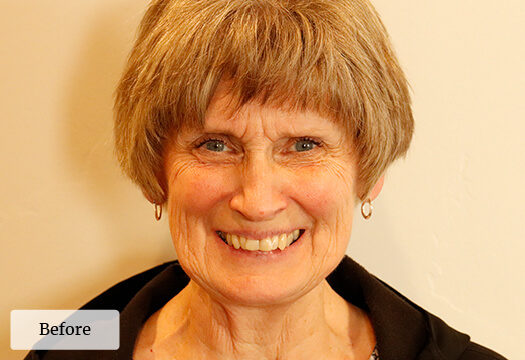
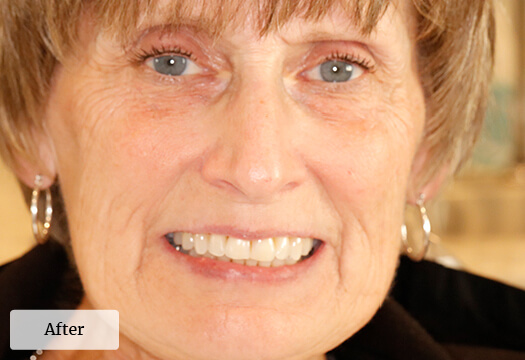
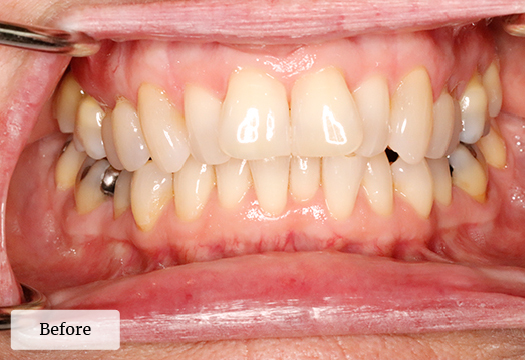
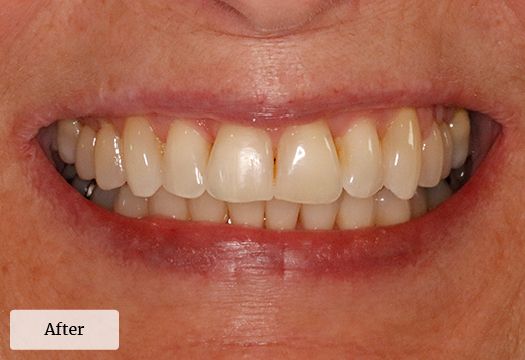
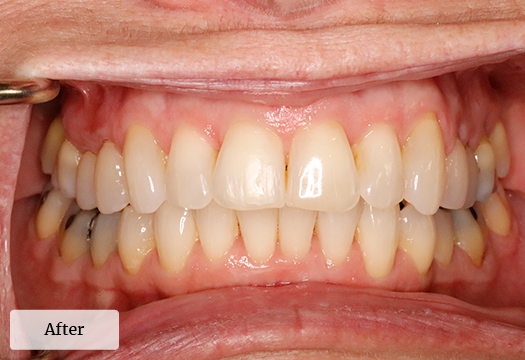
Jeff’s Clear Aligner Therapy
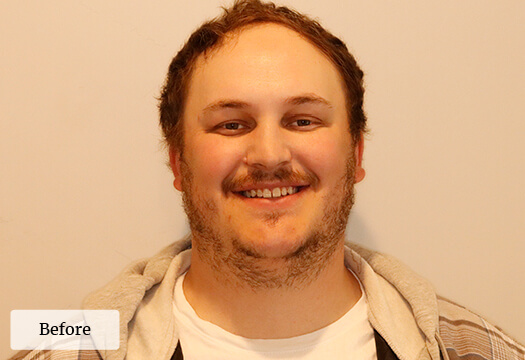
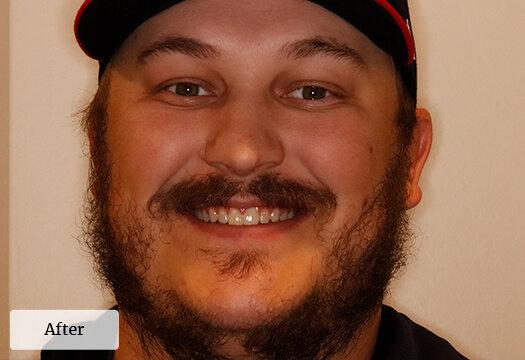
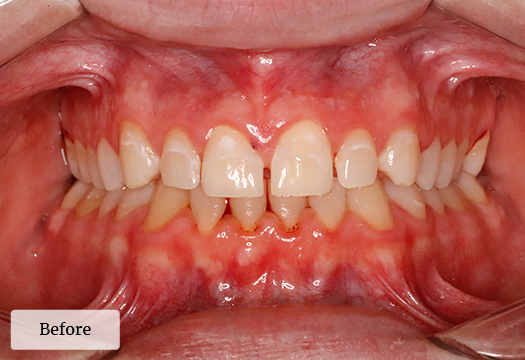
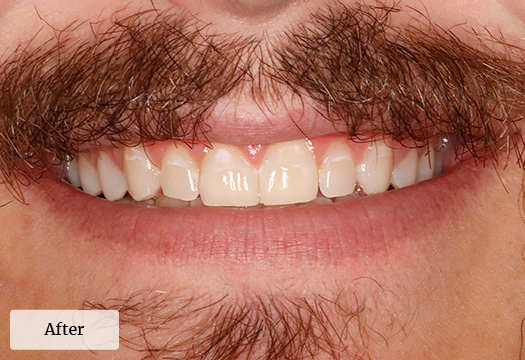
Shane’s Dentures
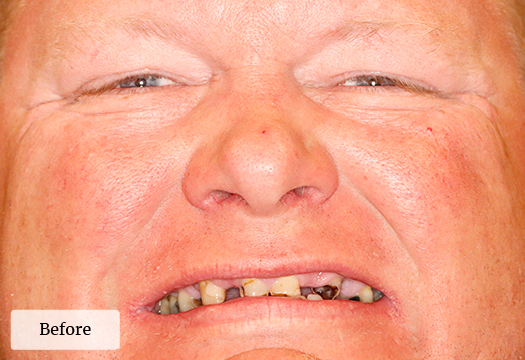

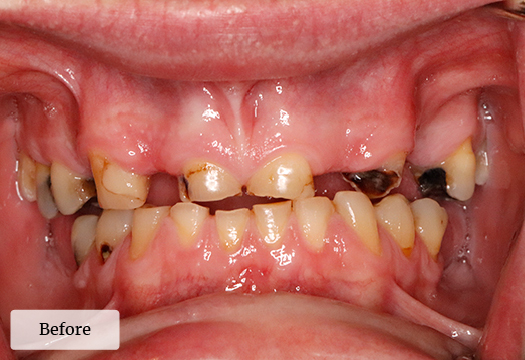
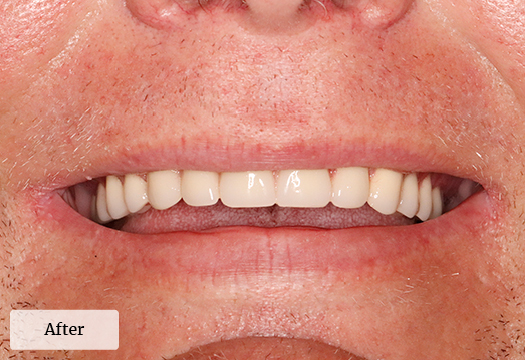
Daniel’s Dentures


Jeanne’s Dentures


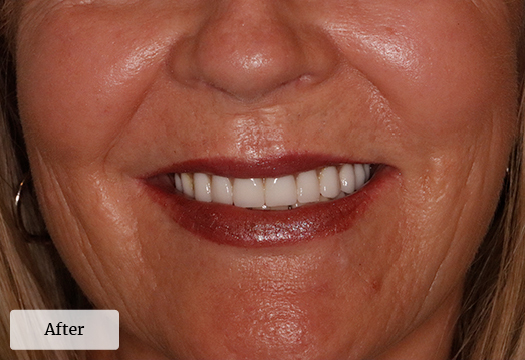
Alisha’s Dentures
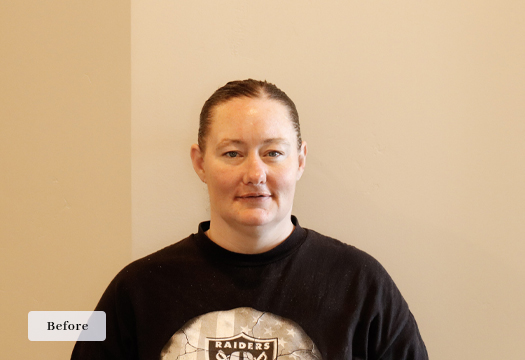
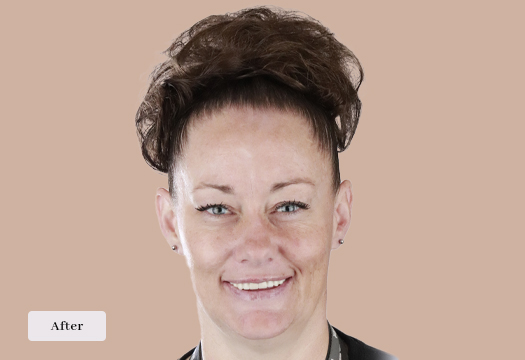
Eddie’s Dentures
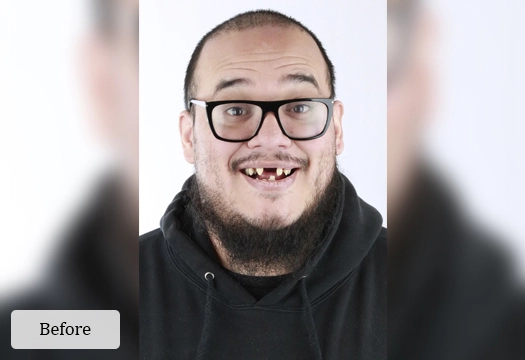

Brad’s Dentures
-

Before
-

After
Gail’s Dentures
-

Before
-

After
Mandy’s Dentures
-

Before
-
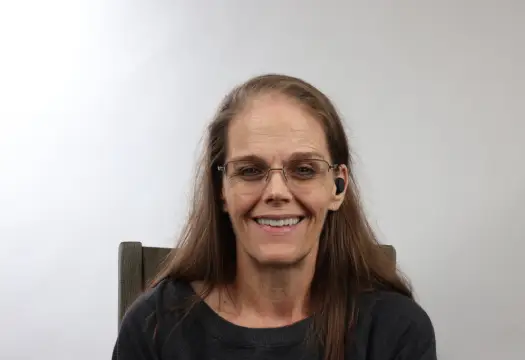
After
Tina’s Porcelain Crowns


Roseann’s Anterior Crown
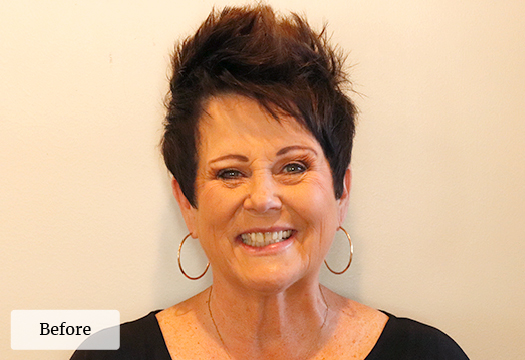
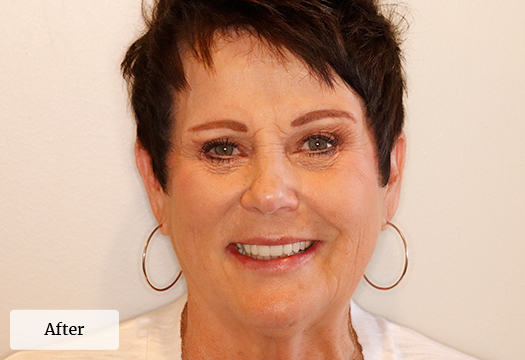
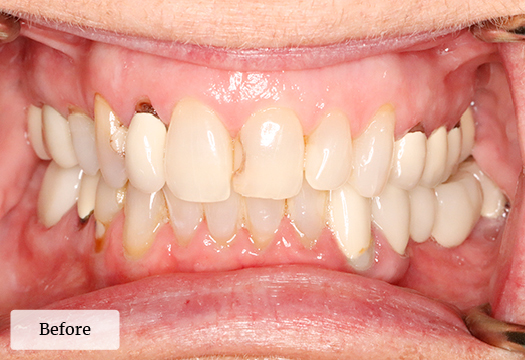
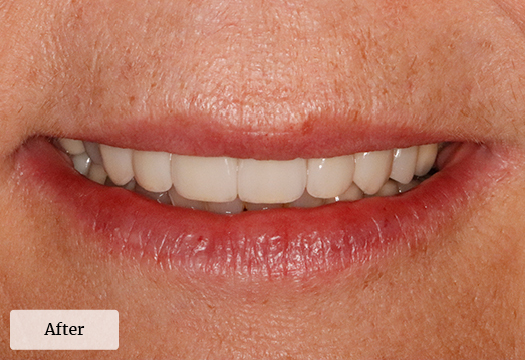
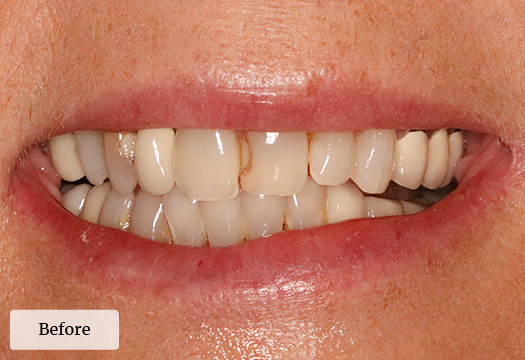
Anita’s 6 Veneers
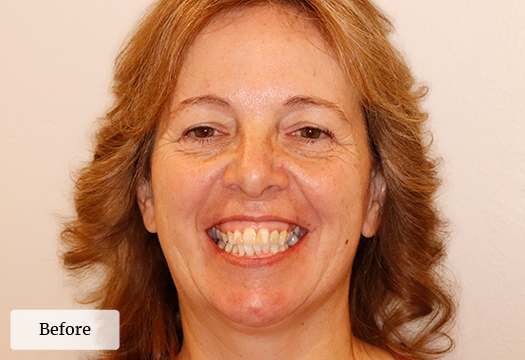
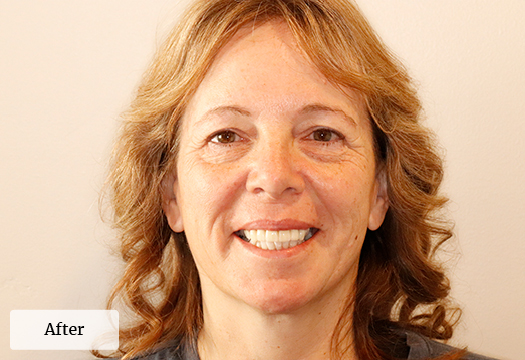
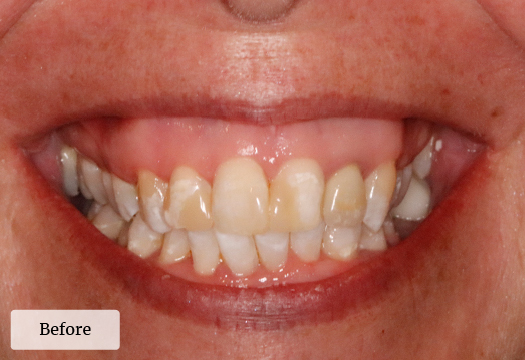
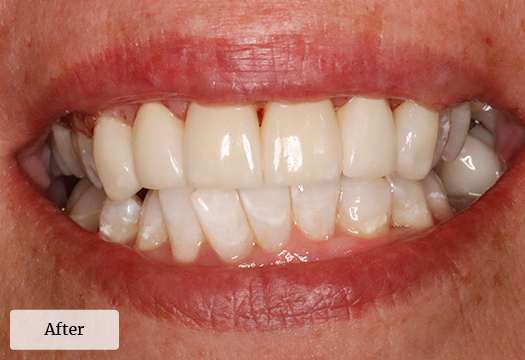
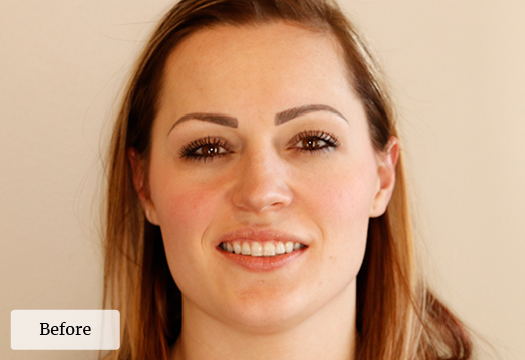
Kayla’s 6 Veneers
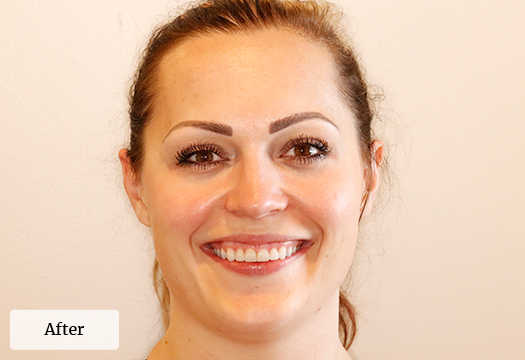
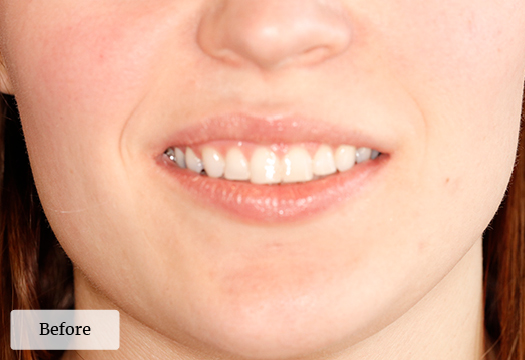
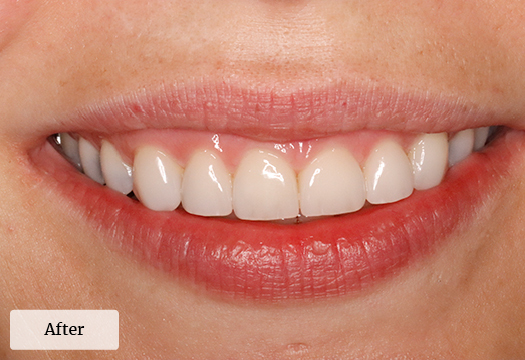
Aly’s Dentures
-

Before
-

After
Tana’s implant-retained dentures


Cody’s Implant Retained Dentures



Kristen’s Upper implant retained dentures
-

Before
-

After
Brent’s Implant retained dentures
-

Before
-

After
Jim’s Implant Retained dentures
-

Before
-

After
Meet Our Dentist in Smithfield
Dr. Darren WebberDMD
Award-Winning Dentist in Cosmetic & Periodontal Care
Dr. Webber has proudly served the community for 17 years, delivering expert care with a passion for beautiful, healthy smiles. Recognized with the 2025 Best of Northern Utah Silver Medal for Cosmetic Dentistry and the Orkos Award for Excellence in Periodontal Treatment, He keeps up with the latest dental techniques by completing 500–600% of the annual required continuing education hours.

Webber Comprehensive Dentistry Membership Plan
Ages 0-13
$23/Month or $276/Year
Save $196/Year!

Services Included
- 2 Professional cleanings
- 2 Regular exams
- 2 Fluoride treatments
- Routine x-rays
- 1 Emergency exam
Additional Benefits
- Save 15% on procedures completed at our practice.
Ages 14+
$27/Month or $324/Year
Save $162/Year!
Services Included
- 2 Professional cleanings
- 2 Regular exams & screenings
- Routine x-rays
- 1 Emergency exam
Additional Benefits
- Save 15% on procedures completed at our practice.
Ages 14+
$42/Month or $504/Year
Save $212/Year!

Services Included
- 3 Perio maintenance
- 2 Regular exams & screenings
- Routine x-rays
- 1 Emergency exam
Additional Benefits
- Save 15% on procedures completed at our practice.
Insurance and Financing