
How to Treat a Small Hole on Side of Tooth Quickly
December 1, 2025A sudden rough spot on your tooth can catch your attention during a quiet moment. What feels harmless might be the first sign of something deeper. A small hole on side of tooth can indicate early decay, enamel wear, or even a minor chip. Spotting it early helps protect your smile from further damage.
You run your tongue along your teeth and feel something odd, a small dip or edge on the side of a tooth.
Recognizing the Signs of a Tooth Hole
A small hole doesn’t always cause pain right away. Early cavities often start quietly, which is why many people miss the first signs. Watch for these changes:
- Rough edges or a snag you can feel with your tongue
- Sensitivity to cold drinks or sweet foods
- Mild discomfort when chewing
- Dark spots or visible pits on the side of the tooth
Even if it feels minor, a small hole can deepen fast. Once decay reaches the inner layers, it spreads and causes more serious problems. That’s why early action is the key to keeping your natural tooth strong.
Think of your teeth like a small team working together; when one weakens, the others take on more strain. Acting early protects your entire smile.
Immediate Steps to Take When You Find a Hole in Your Tooth
When you spot a small hole, it’s easy to panic. Don’t. There are safe, effective steps you can take before seeing your dentist.
- Keep the area clean.
Gently brush around the spot with a soft toothbrush and fluoride toothpaste. Avoid brushing too hard, as it may wear down enamel.
- Rinse with warm salt water.
Mix about a half teaspoon of salt in a glass having warm water. Swish gently for 30 seconds. This helps keep the area free of bacteria and reduces inflammation.
- Avoid sticky or sugary foods.
Sugary snacks feed the bacteria that cause decay. Stick to soft foods that don’t cling to your teeth.
- Don’t try home fixes.
Avoid gluing, scraping, or filling the hole with store-bought products. These can worsen damage or trap bacteria.
- Schedule an appointment right away.
Even if there’s no pain, seeing a dentist in Smithfield, Utah, is the fastest way to stop the decay and protect your tooth.
How Dental Fillings Can Effectively Treat a Small Hole on Side of Tooth
Once your dentist examines the tooth, they’ll likely suggest a simple and effective fix, a dental filling.
During the visit, your dentist first cleans away the decayed part of the tooth. Then, they shape and fill the area with a strong, tooth-colored material that seals it off from bacteria. The result looks and feels just like your natural tooth.
Getting dental fillings in Smithfield, Utah, is one of the most common and trusted treatments for small holes. The process is quick, usually completed in one visit, and restores both appearance and function.
Here’s what you can expect:
- Local numbing to ensure comfort
- Careful cleaning of the affected area
- Filling placement and shaping
- A final polish for quite a smooth, natural finish
Most patients get back to normal eating and brushing routines the same day. With proper care, a filling can last for many years and protect your tooth from further decay.
Preventing Future Holes on the Sides of Your Teeth
Once your tooth is repaired, the next goal is prevention. Tooth decay often begins in hard-to-reach areas, especially the sides and grooves. A few consistent habits can keep new holes from forming:
- Brush twice daily with fluoride toothpaste.
Fluoride strengthens enamel and helps repair early signs of damage.
- Use gentle circular motions.
Avoid brushing side-to-side, which can erode enamel near the gums.
- Floss daily.
This removes trapped food between teeth that brushing misses.
- Rinse with fluoride mouthwash.
It adds a protective layer and reduces harmful bacteria.
- Eat a tooth-friendly diet.
Choose water, dairy, leafy greens, and crunchy fruits over sugary drinks or snacks.
- See your dentist twice a year.
Routine exams can catch tiny changes before they turn into bigger problems.
If you’ve had cavities before, ask your dentist about sealants or fluoride treatments. Both can add an extra layer of protection, especially for hard-to-clean spots.
When to Call Your Dentist
If the hole suddenly becomes painful, if the tooth changes colour, or if you notice swelling in your gums, don’t wait. These can be signs of deeper decay or infection. Early visits save time, pain, and money later.
Your dentist will carefully examine your teeth, take X-rays if needed, and choose the right treatment plan. In most cases, a small filling fixes the issue completely.
Ignoring a small hole can lead to a bigger cavity, root infection, or even tooth loss. Acting early keeps treatment simple and keeps your smile healthy and confident.
Final Thoughts
Even a small hole can grow fast if ignored, but the right care restores strength and comfort. Protect your smile with timely treatment and lasting prevention. At Webber Comprehensive Dentistry, our team is ready to help you keep your teeth healthy and strong. Schedule your visit today and take control of your oral health with confidence.
Smile Gallery
- Clear Aligner Therapy
- Dentures
- Cosmetic Dentistry
- Veneers
- Implant-retained Dentures
Paula’s Clear Aligner Therapy
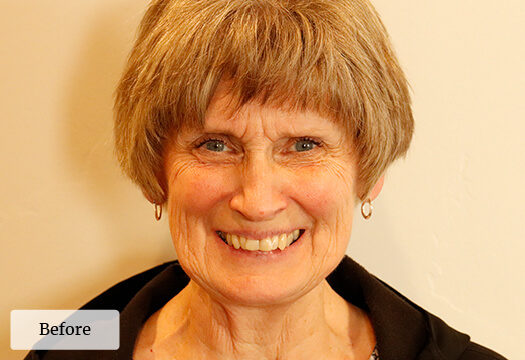
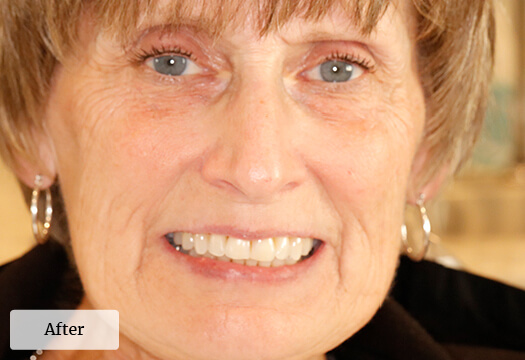
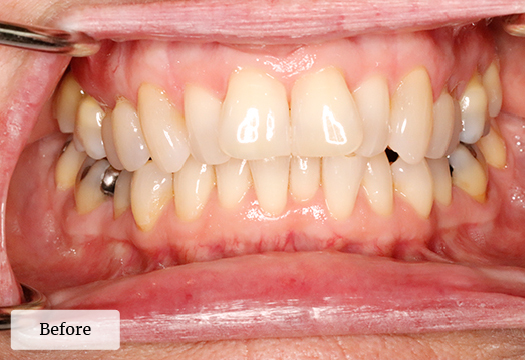
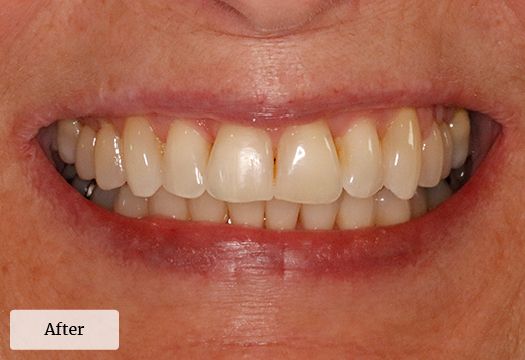
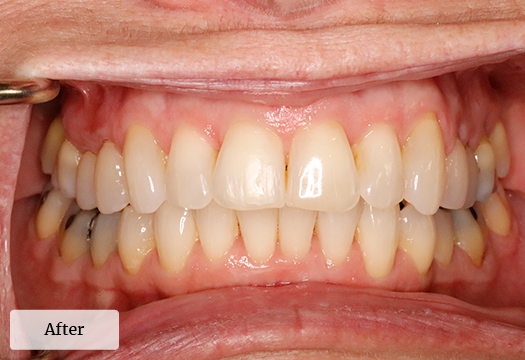
Jeff’s Clear Aligner Therapy
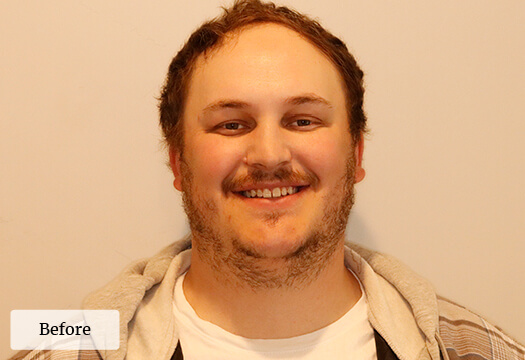
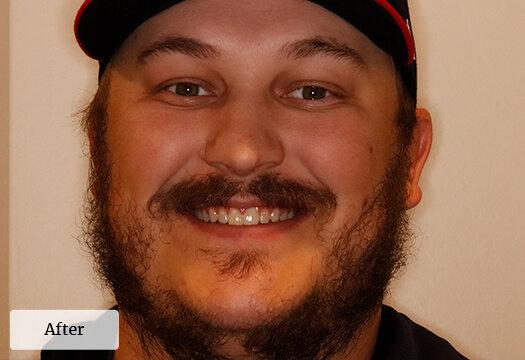
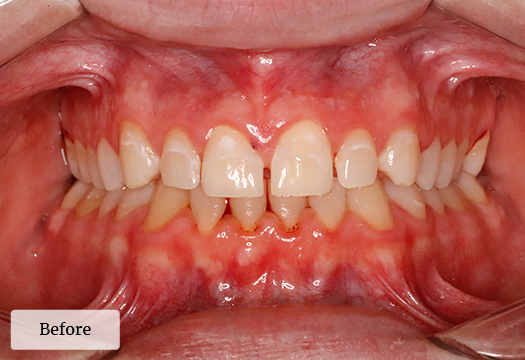
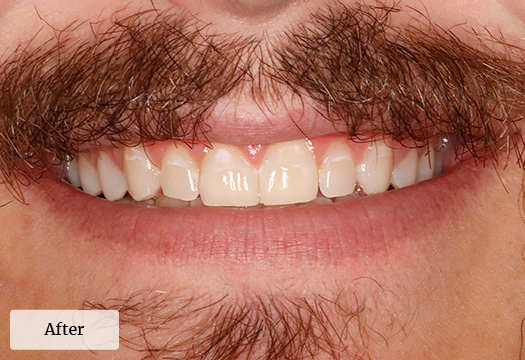
Shane’s Dentures
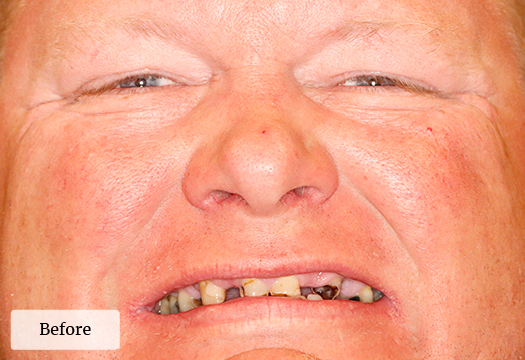

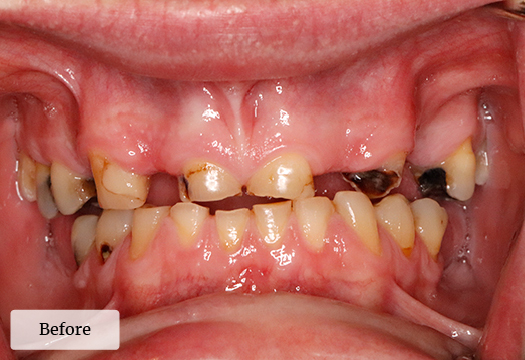
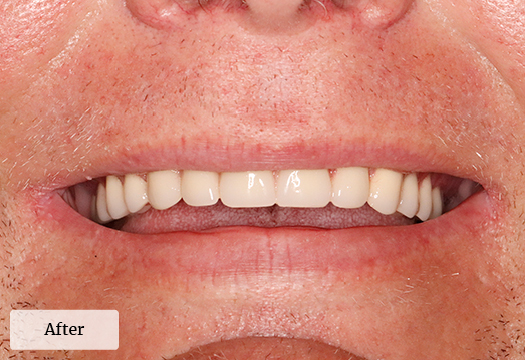
Daniel’s Dentures


Jeanne’s Dentures


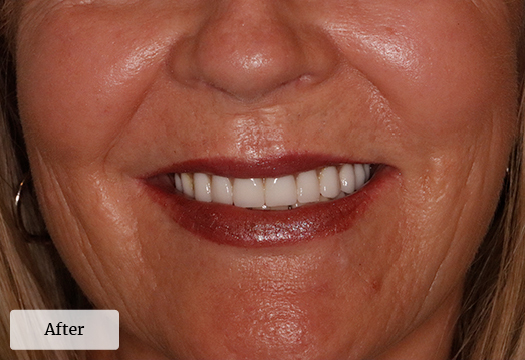
Alisha’s Dentures
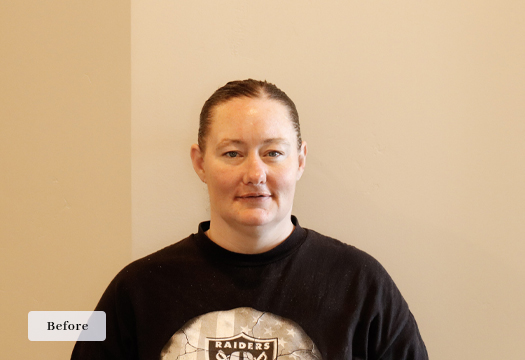
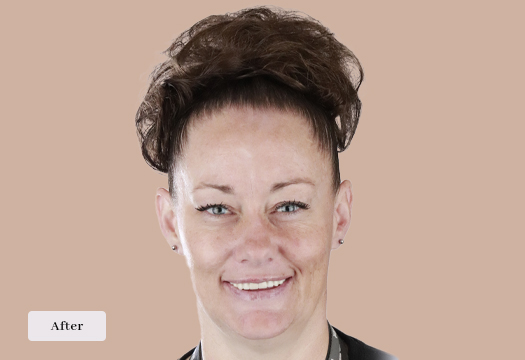
Eddie’s Dentures
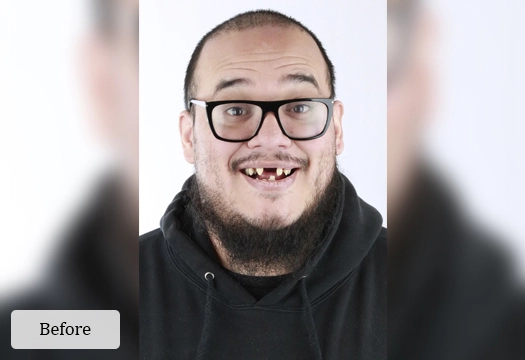

Brad’s Dentures
-

Before
-

After
Gail’s Dentures
-

Before
-

After
Mandy’s Dentures
-

Before
-

After
Tina’s Porcelain Crowns


Roseann’s Anterior Crown
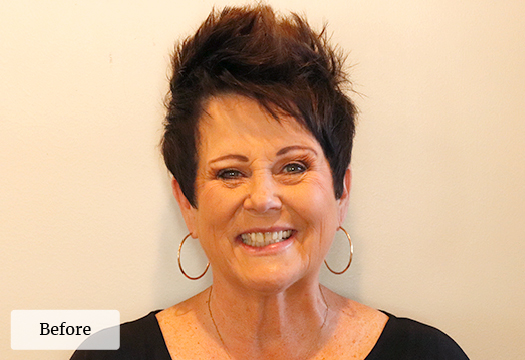
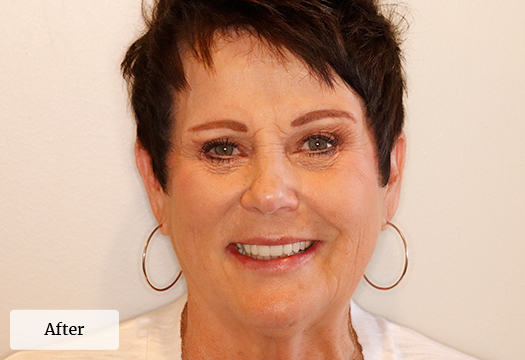
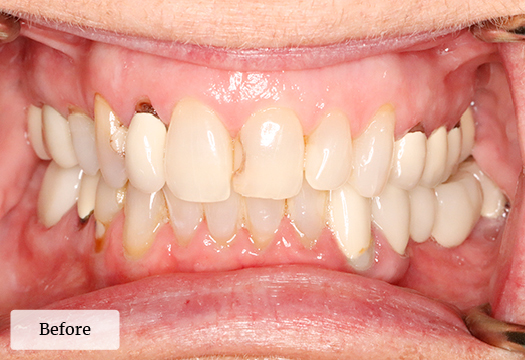
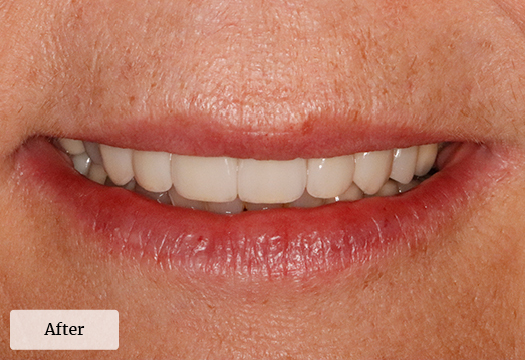
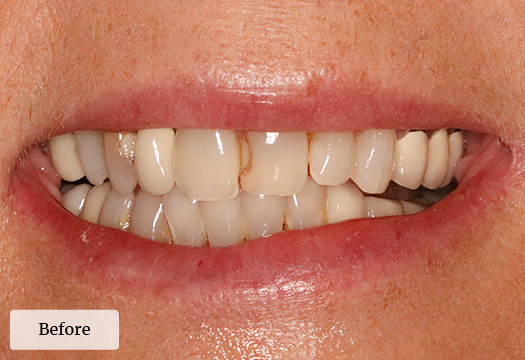
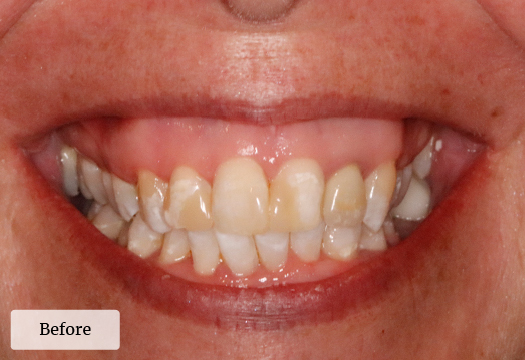
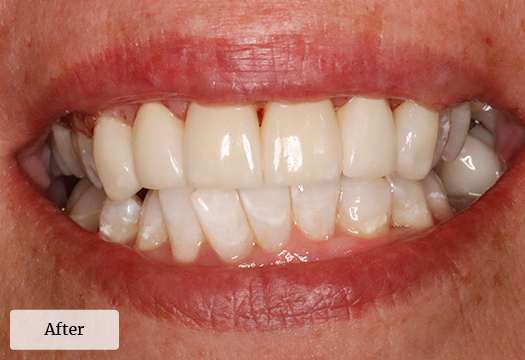
Anita’s 6 Veneers
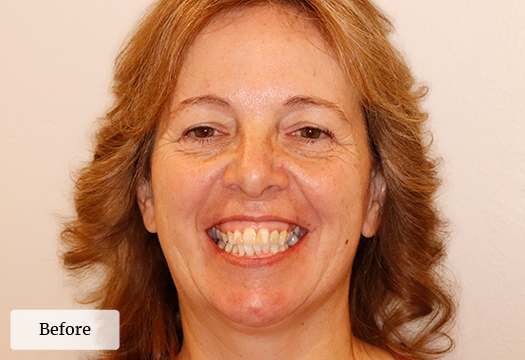
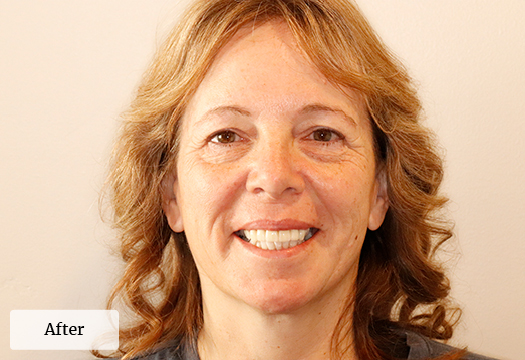
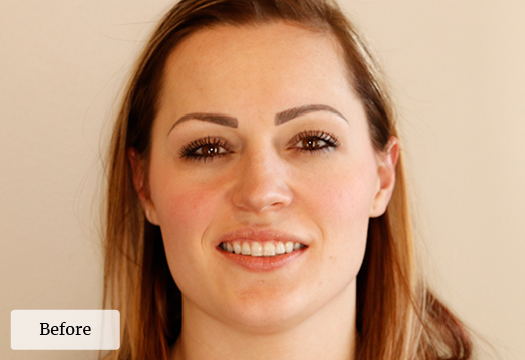
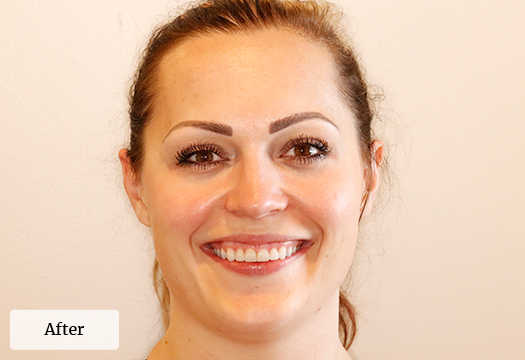
Kayla’s 6 Veneers
Aly’s Dentures
-

Before
-

After
Tana’s implant-retained dentures


Cody’s Implant Retained Dentures



Kristen’s Upper implant retained dentures
-

Before
-

After
Brent’s Implant retained dentures
-

Before
-

After
Jim’s Implant Retained dentures
-

Before
-

After
Meet Our Dentist in Smithfield
Dr. Darren WebberDMD
Award-Winning Dentist in Cosmetic & Periodontal Care
Dr. Webber has proudly served the community for 17 years, delivering expert care with a passion for beautiful, healthy smiles. Recognized with the 2025 Best of Northern Utah Silver Medal for Cosmetic Dentistry and the Orkos Award for Excellence in Periodontal Treatment, He keeps up with the latest dental techniques by completing 500–600% of the annual required continuing education hours.

Webber Comprehensive Dentistry Membership Plan
Ages 0-13
$23/Month or $276/Year
Save $196/Year!

Services Included
- 2 Professional cleanings
- 2 Regular exams
- 2 Fluoride treatments
- Routine x-rays
- 1 Emergency exam
Additional Benefits
- Save 15% on procedures completed at our practice.
Ages 14+
$27/Month or $324/Year
Save $162/Year!

Services Included
- 2 Professional cleanings
- 2 Regular exams & screenings
- Routine x-rays
- 1 Emergency exam
Additional Benefits
- Save 15% on procedures completed at our practice.
Ages 14+
$42/Month or $504/Year
Save $212/Year!

Services Included
- 3 Perio maintenance
- 2 Regular exams & screenings
- Routine x-rays
- 1 Emergency exam
Additional Benefits
- Save 15% on procedures completed at our practice.
Insurance and Financing